Behind every military operation lies an intricate web of logistics. Ammunition, spare parts, medical supplies, and even the smallest washers must be traceable, interchangeable, and ready for deployment at a moment’s notice. The NATO Codification System (NCS) provides the standardized language and framework that makes this possible across allied forces, ensuring that supply chains are harmonized and materials are globally interoperable.
The Essence of the NATO Codification System
The NATO Codification System (NCS) is an internationally recognized system for cataloguing and coding items of supply used within NATO member states and allied partners. At its core, NCS ensures that each item, regardless of where it is manufactured or stored, is uniquely identified and described in a standardized way. This eliminates redundancy, reduces ambiguity, and strengthens supply chain interoperability among multinational forces.
- Unique Global Identification
Each item is assigned a NATO Stock Number (NSN), a unique 13-digit code that identifies and standardizes items across all NATO nations. This number becomes the universal reference for procurement, storage, and logistics. - Standardized Data Descriptions
Beyond numbers, NCS ensures items are described with a standardized set of attributes and classifications. This allows different nations and suppliers to speak the same “data language” when referring to identical items. - Interoperability Among Nations
The NCS bridges borders, enabling NATO and allied nations to share resources seamlessly, ensuring that forces in joint operations can depend on each other’s supply chains without miscommunication.
Structural Principles of NCS
The NATO Codification System is governed by principles that ensure its functionality across diverse contexts:
- Neutrality of Identification
NSNs are non-intelligent numbers, meaning they carry no embedded meaning about the item itself. This prevents misinterpretation and ensures the code remains valid regardless of product changes. - Global Data Standardization
Each item’s descriptive data must comply with NATO’s Master Catalogue of References for Logistics (NMCRL). This ensures that every NSN has a consistent, validated, and universally recognized description. - Governance by National Codification Bureaux (NCB)
Each NATO nation manages its codification responsibilities through its NCB, ensuring items are catalogued correctly while maintaining alignment with global standards. - Sustainability and Lifecycle Management
An NSN persists across the lifecycle of an item—from production to decommissioning—ensuring historical traceability and preventing data fragmentation.
Functional Use Cases in Military Logistics
The NCS has tangible applications in ensuring readiness, accuracy, and collaboration:
- Joint Military Operations
During multinational missions, NCS ensures that one nation can requisition spare parts from another without confusion. For example, a vehicle part with a specific NSN will be identical whether sourced from Germany, Canada, or Norway. - Procurement and Contracting
Defense procurement agencies rely on NSNs to issue contracts and orders, ensuring suppliers deliver the exact approved item. This avoids discrepancies and strengthens accountability. - Inventory Visibility
Warehouses across multiple nations can track and share item availability by NSN, optimizing stockpiling and reducing excess inventory. - Maintenance and Repair Cycles
Technical manuals and maintenance schedules reference NSNs, allowing engineers and technicians to request exact parts with confidence. - Disaster Relief and Humanitarian Operations
Beyond combat, the NCS supports NATO’s humanitarian missions by ensuring medical supplies, food rations, and emergency equipment are standardized and interchangeable.
Key Components of the NATO Codification System
The NCS is built on well-defined structural elements. To understand it in practice, it is important to see examples of actual codes that are commonly used.
Format of the NATO Stock Number (NSN)
The NSN always follows a 13-digit structure: 4 digits for the NATO Supply Classification (NSC), 2 digits for the National Codification Bureau (NCB) code, and 7 digits for the item’s unique serial. The hyphenated display is widely adopted for clarity.
Example 1:
NSN: 5305-12-123-4567
5305 = NSC → Screws, Bolts, Studs
12 = NCB → Germany
1234567 = Serial Identifier (Non-significant)
Example 2:
NSN: 6515-00-935-7138
6515 = NSC → Medical and Surgical Instruments
00 = NCB → United States
9357138 = Serial Identifier
Example 3:
NSN: 2320-25-146-3825
2320 = NSC → Trucks and Utility Vehicles
25 = NCB → Norway
1463825 = Serial Identifier
These examples show how the NCS ensures clarity: any soldier, technician, or procurement officer can identify the same item regardless of language or supplier origin.
The NCS is built on well-defined structural elements:
NATO Stock Number (NSN)
The cornerstone of NCS, the NSN is composed of 13 digits: a 4-digit NATO Supply Classification (NSC) code, a 2-digit NATO Country Code, and a 7-digit non-significant item number.
Example Structure of an NSN:
NSN: 5305-12-123-4567
5305 = NATO Supply Classification (NSC) → Screws
12 = NATO Country Code → Germany
1234567 = Non-significant Item Number (serial identifier)
- NATO Supply Classification (NSC)
This code classifies items into families and groups, such as weapons, electrical components, or medical supplies. - Centralized Data Repositories
The NMCRL acts as the global reference database, accessible to all NATO and allied partners. - Codification Procedures
Each item undergoes rigorous evaluation before receiving an NSN, ensuring accuracy and eliminating duplicates.
Challenges Without the NCS
In the absence of a harmonized codification system, NATO and its allies would face significant obstacles:
- Duplication of items across national catalogs.
- Delays in multinational missions due to mismatched supplies.
- Increased procurement costs caused by inconsistent identification.
- Reduced trust in supply interoperability, leading to operational inefficiencies.
Functional Patterns in Codification
Different aspects of NCS serve functional roles:
- Non-Intelligent Numbering
Ensures stability and neutrality of item identity. - Centralized Governance
Maintains authority and prevents uncontrolled proliferation of identifiers. - International Data Sharing
Connects national inventories into a global network, ensuring cross-border supply chain agility.
Best Practices in Implementing NCS
Organizations and nations implementing NCS follow strict guidelines:
- Establish strong governance through the National Codification Bureau.
- Ensure compliance with NATO data standards and formats.
- Train procurement, logistics, and maintenance staff in codification rules.
- Leverage IT systems that integrate seamlessly with NMCRL.
- Conduct audits to validate accuracy and purge redundant or obsolete records.
The Interplay Between Codification and Logistics Effectiveness
The NATO Codification System does more than assign numbers; it strengthens the logistics backbone of multinational operations. Codification transforms item data into a shared resource that supports decision-making, readiness, and operational success. Without codification, interoperability would remain aspirational rather than achievable.
Closing Perspective
The NATO Codification System represents the unifying structure that underpins global military supply chain efficiency. Each NSN is more than just a number—it is the embodiment of standardization, trust, and interoperability across nations. By speaking the same codification language, NATO and its allies ensure that readiness is never compromised by misidentification or data fragmentation.
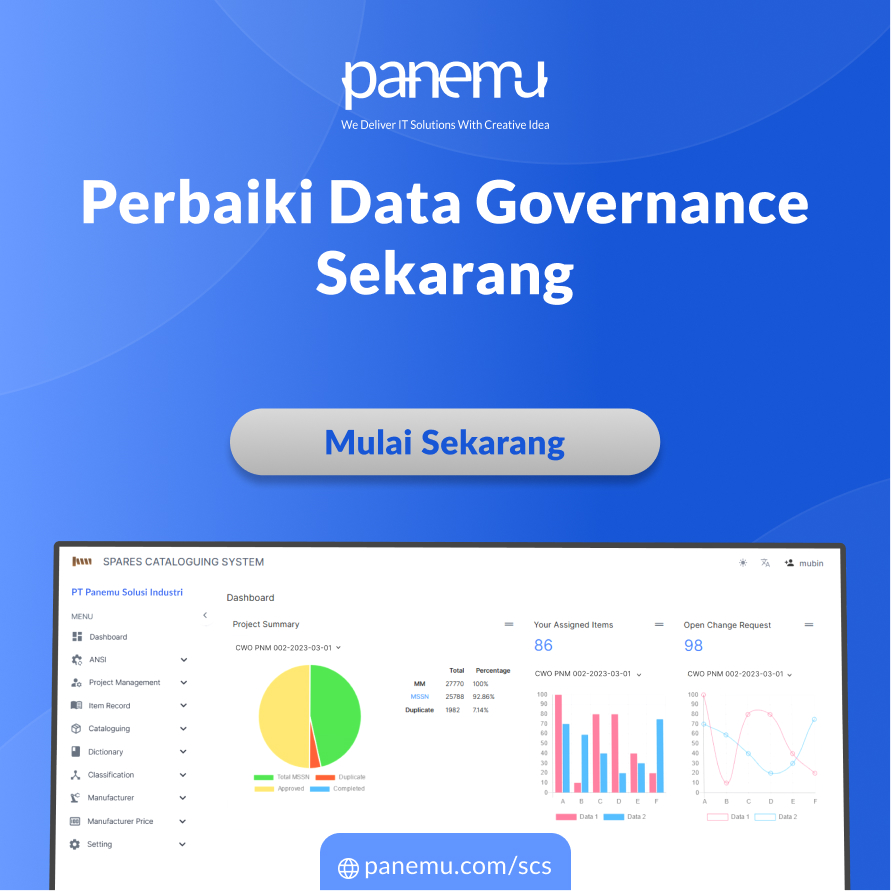
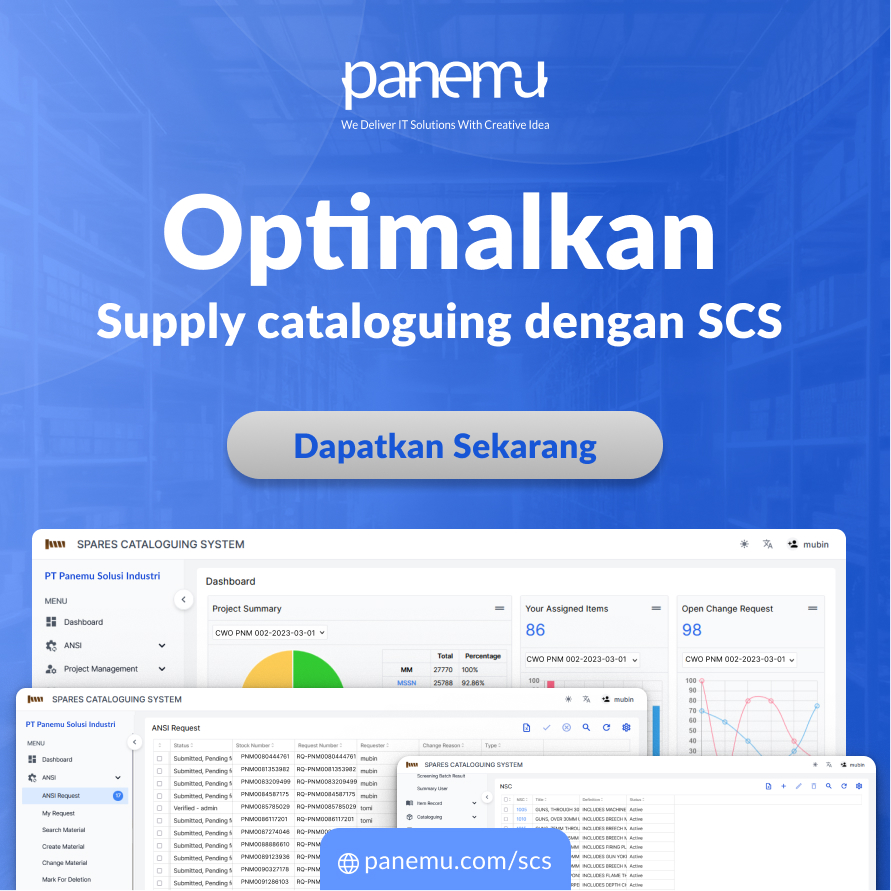
For defense organizations and industries aiming to align with the NATO Codification System, professional support is invaluable. Services such as Panemu Cataloguing Service provide the expertise to implement robust codification and data management strategies. Complementary tools like Panemu SCS Key Feature further enhance standardization, enabling seamless integration with logistics operations. Partnering with such solutions is a decisive step toward strengthening interoperability, compliance, and efficiency across the global defense supply chain.
