In the dynamic world of global commerce, where industries depend on seamless data exchange, the eCl@ss Standard stands as one of the most recognized systems for product and service classification. By providing a hierarchical framework, eCl@ss enables consistent descriptions, interoperability across platforms, and greater efficiency in procurement, cataloguing, and supply chain management.
The Essence of eCl@ss
The eCl@ss Standard is an internationally recognized system for classifying and describing products and services. Developed to meet the growing need for a common language in business transactions, eCl@ss bridges gaps between industries, geographies, and digital platforms.
- Standardized Product Classification
eCl@ss ensures that every product or service is assigned to a clear, universally understood class. - Cross-Industry Applicability
From manufacturing to healthcare, eCl@ss applies to diverse sectors, providing a unified reference system. - Digital Interoperability
As businesses transition to digital operations, eCl@ss provides a foundation for consistent data exchange across ERP, PLM, and MRO systems.
Core Structure of the eCl@ss Standard
At its heart, eCl@ss is built on a hierarchical classification system:
- Four-Level Hierarchy
Products and services are classified across four levels: Segment, Main Group, Group, and Commodity Class. - Attribute-Based Descriptions
Each class includes standardized attributes to describe the technical and functional characteristics of the item. - Unique Identifier Codes
Each item is associated with a unique numerical code, ensuring that catalogues are precise and universally consistent.
Examples of eCl@ss Codes
Practical examples help illustrate the clarity of eCl@ss coding:
- Example 1:
27-14-92-01 → Segment: Electrical Engineering, Main Group: Installation Technology, Group: Switches, Commodity: Push Button Switches. - Example 2:
23-06-11-01 → Segment: Fluid Power, Main Group: Hydraulic Components, Group: Hydraulic Cylinders, Commodity: Single-Acting Cylinders. - Example 3:
34-16-06-01 → Segment: IT, Main Group: Computers, Group: Laptops, Commodity: Standard Laptops.
These codes allow organizations across countries and languages to identify items without confusion.
Functional Use Cases of eCl@ss
The eCl@ss system finds practical application across industries:
- Procurement Optimization
Buyers and suppliers rely on eCl@ss codes to streamline tendering, sourcing, and contracting. - Inventory Management
Standard classification reduces duplicates, supports stock optimization, and enhances accuracy in material master data. - Product Lifecycle Management (PLM)
eCl@ss attributes support detailed technical descriptions, enhancing traceability across the lifecycle of complex products. - Regulatory Compliance
Many industries adopt eCl@ss to ensure product data aligns with compliance frameworks and international trade standards.
Key Components of eCl@ss Framework
- Hierarchical Coding System
Enables systematic categorization of products and services. - Attribute Sets
Provide standardized descriptors to ensure that data is both machine-readable and human-understandable. - Release Management
eCl@ss is regularly updated to reflect new technologies, market needs, and emerging product categories.
Examples of eCl@ss Application
- ERP System Integration
Organizations embed eCl@ss codes into ERP platforms to ensure consistent product cataloguing across departments. - Supplier Collaboration
Shared use of eCl@ss ensures that suppliers and buyers describe items consistently, eliminating costly misunderstandings. - Engineering Projects
Technical teams use eCl@ss attributes to specify components in design and manufacturing processes.
Functional Patterns in eCl@ss Implementation
- Data Cleansing
Companies apply eCl@ss to normalize and cleanse legacy product data. - Global Trade Enablement
eCl@ss serves as a common reference in cross-border procurement and logistics operations. - Digital Transformation
Embedding eCl@ss into digital platforms enables automation, AI-based analysis, and seamless integration with Industry 4.0 initiatives.
Best Practices for Organizations Using eCl@ss
- Train cataloguers and procurement staff on hierarchical coding and attribute usage.
- Regularly update systems with the latest eCl@ss releases to maintain accuracy.
- Collaborate with suppliers and partners on adopting consistent coding practices.
- Leverage eCl@ss codes for reporting, compliance, and analytics across global operations.

Closing Perspective
The eCl@ss Standard is more than a classification system—it is the backbone of structured product and service information in modern commerce. Its hierarchical precision, attribute richness, and global acceptance make it indispensable for industries that depend on clarity and interoperability.
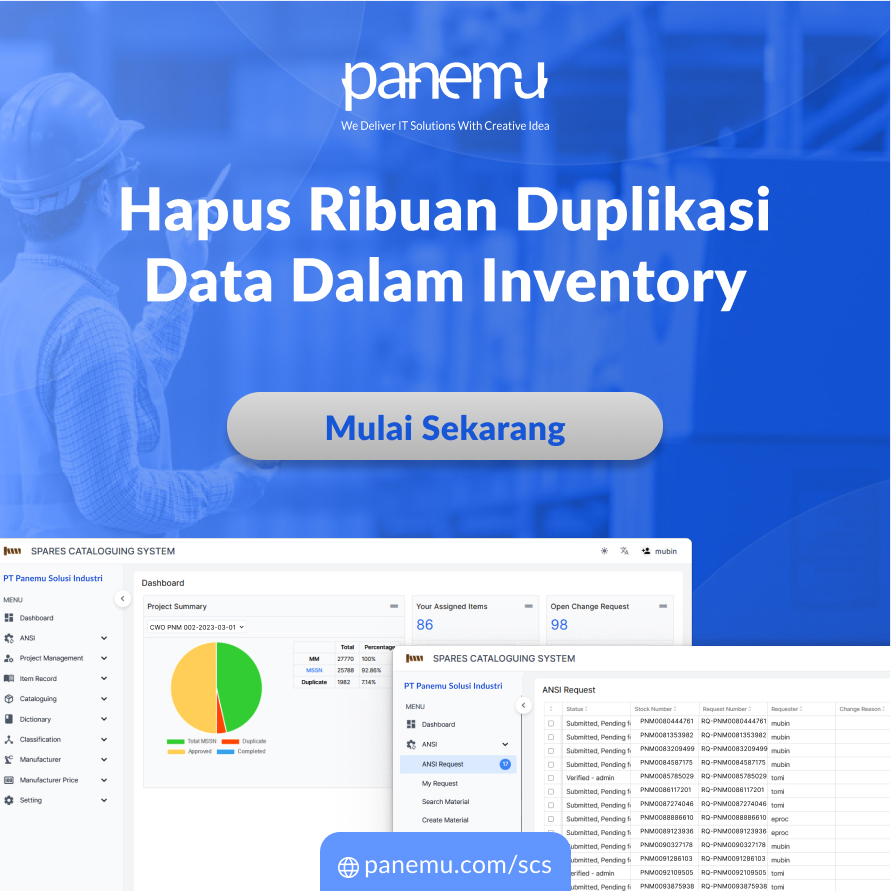
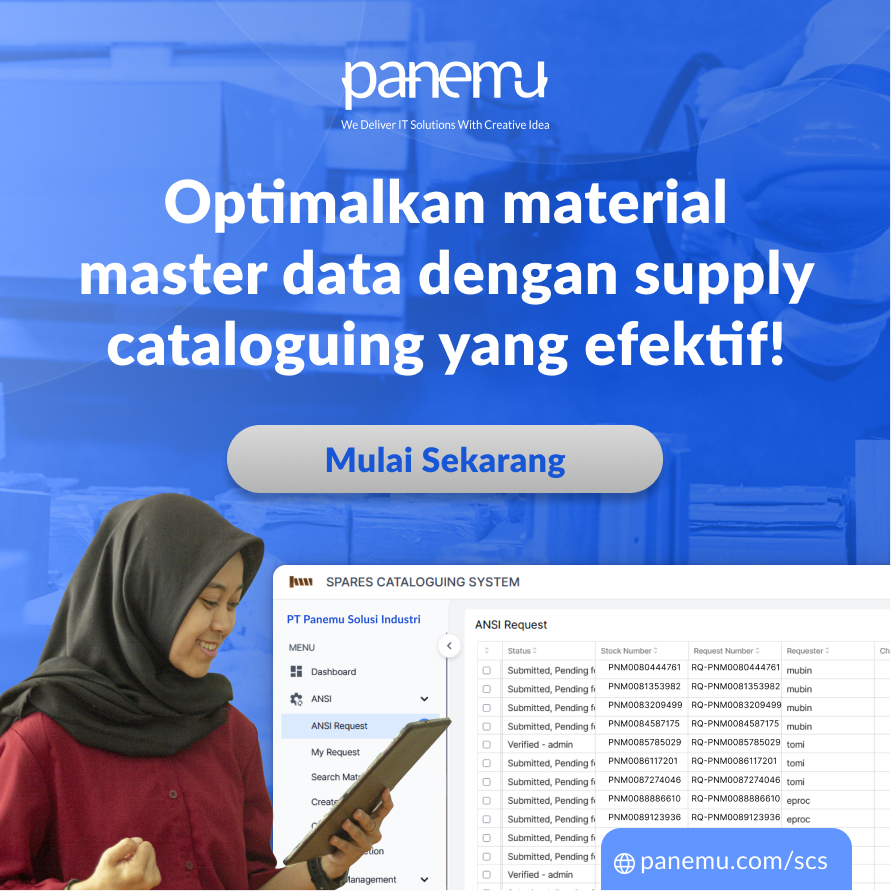
For organizations aiming to harness the power of structured cataloguing, Panemu Cataloguing Service provides expertise in aligning product data with global standards like eCl@ss. Additionally, Panemu SCS Key Feature offers seamless integration of classification frameworks into supply chain systems, ensuring consistency, efficiency, and competitive advantage in a globalized market.